
From Volunteering to Legacy Giving: Building Your Future Donor Base

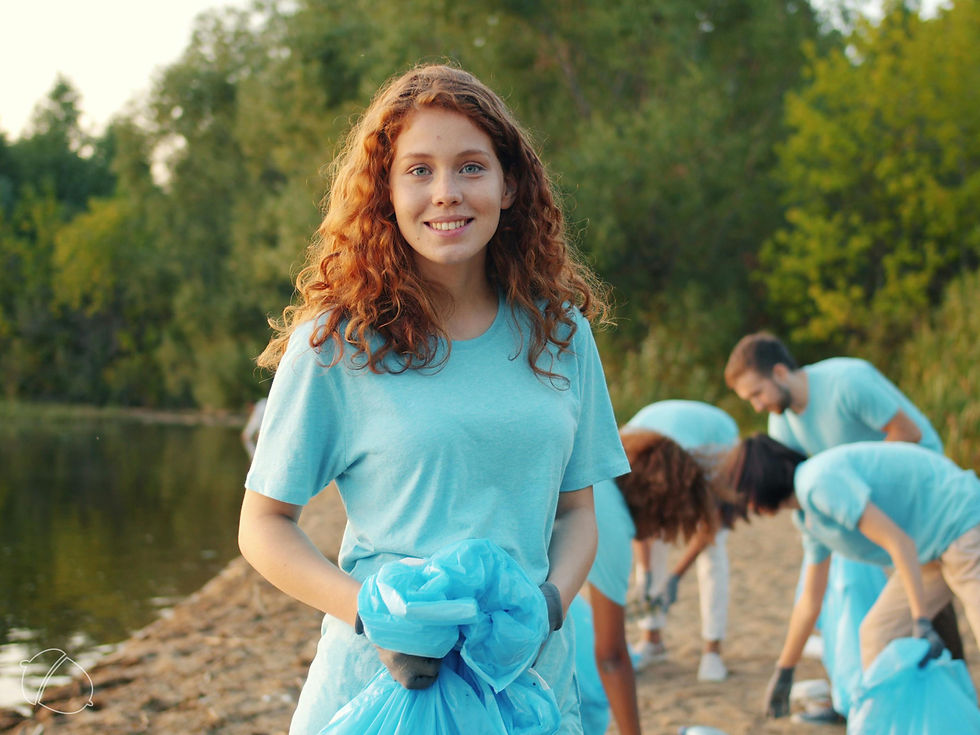
A recent wave of research is reinforcing something we as nonprofit professionals in the Kitsap region have long suspected: today’s volunteers, especially younger ones, are deeply motivated by a desire to make a tangible difference. In fact, nearly 8 in 10 people ages 12 to 25 report participating in some form of service. They are organizing donation drives, helping neighbors, and showing up for the causes they believe in.
This is an incredibly encouraging signal for our community. However, it also presents a specific challenge. Many of these individuals see themselves as helpers, advocates, and community builders, but they may not automatically see themselves as financial supporters. The good news is that these volunteers are your most promising pipeline for future donors. At Kitsap Community Foundation, we want to help you bridge that gap.
Start with What They Already Believe
Volunteers are already in your corner. They have raised their hands, given their precious time, and connected personally with your mission. This is the most powerful foundation a donor relationship can have.
Research shows that younger volunteers in the Kitsap region are especially motivated by impact, connection, and purpose. They want to know that their contribution matters and that they are part of something bigger than themselves. When you nurture this mindset correctly, it translates naturally into charitable giving. If a volunteer feels the weight of the mission while serving, they are already halfway to becoming a donor.
Make the Connection Between Time and Treasure
One of the most effective strategies we recommend is also one of the simplest: help your volunteers see that financial support is just another way to fuel the work they are already doing.
Many young people are already comfortable with this idea. They understand that money is a tool for impact. Your role as a leader is to connect the dots with clear, simple messaging:
“You’ve seen the impact firsthand.” Acknowledge their front-row seat to the work.
“You know what it takes to deliver this service.” Validate their understanding of the operational needs.
“Here is how a small gift can extend that impact further.” Show how $20 or $50 provides the supplies they just used during their volunteer shift.
When you position it this way, giving feels like a natural extension of their service, not a separate, cold ask.
Start Small and Make Giving Easy
For many volunteers in our community, especially students or those just starting their careers, financial capacity might be limited. That is perfectly fine. The goal isn't the size of the initial gift; it’s the habit of giving.
We suggest introducing giving in accessible ways that don't feel overwhelming:
Modest Annual Gifts: Invite them to join a "giving circle" or a specific campaign with a low entry point.
Monthly Recurring Donations: A "subscription" style of giving is often more manageable for younger generations.
Kitsap Great Give Participation: This is the perfect entry point. Encourage your volunteers to make their first gift during the Kitsap Great Give, where the excitement of the community can inspire them to join in.
Milestone Giving: Suggest a donation in honor of their one-year "volunteer-anniversary."
A volunteer who becomes a first-time donor, even at a small level, is far more likely to stay engaged with your organization for years to come.
Grow with Them Over Time
Volunteer engagement is not static. Commitments shift as people move from school to careers, then to family life, and eventually to retirement. Your strategy should evolve alongside them.
As your volunteers grow in their careers and financial capacity, their philanthropy can grow as well. This is a long game, and we are here to help you navigate it.
Annual donors can become mid-level supporters as they establish their careers.
Engaged donors can be introduced to major gift opportunities.
Longtime supporters can begin thinking about legacy gifts that sustain your mission for the next generation.
Committed champions can help build endowment funds for long-term impact.
This is a long game, and volunteers are uniquely positioned to travel that journey with you.
Offer Leadership and Ownership
Another key insight from recent research is that volunteers want more than just a task; they want ownership. We see higher engagement when volunteers can help plan, lead, or shape activities. This ownership is a direct bridge to philanthropy.
Consider these tactical steps:
Invite long-term volunteers to help lead a peer-to-peer fundraising campaign.
Create ambassador roles where they can represent your nonprofit at community events.
Invite a younger volunteer to join a committee or a junior board.
When volunteers take ownership of the outcomes, they become more invested in sustaining the work financially. They aren't just "helping" anymore; they are "investing" in their own success.
Build a Culture of Lifelong Philanthropy
Ultimately, the goal is not just to convert volunteers into donors; it’s to cultivate lifelong supporters of your mission.
Volunteers who give are more likely to:
Stay engaged longer
Increase their support over time
Advocate for your organization within their networks
And perhaps most importantly, they carry your mission forward across generations.
The surge in volunteerism, especially among Gen Z and Gen Alpha, is more than a trend. It’s an invitation. By meeting volunteers where they are, starting small, and growing with them over time, nonprofits can build a powerful pipeline from service to sustained financial support.
Eventually, the volunteers who have stayed with you for decades will begin to think about their legacy. This is where "planned giving" comes in. It doesn't have to be complicated or only for the ultra-wealthy.
We have partnered with FreeWill to make this journey accessible for everyone in our community. Donors can easily start their legacy-giving journey at no cost to them. It’s a simple way to ensure the causes they’ve volunteered for all their lives are supported long into the future. You can direct your donors to this sample Bequest language to get started.
A Quick Note About Policy and Politics
Many Kitsap residents get involved in volunteer activities, including advocacy and politics, to drive community change. As a nonprofit, it is important to remember the parameters of your involvement in these areas. While your organization can and should advocate for your mission, ensure your board is familiar with the rules surrounding non-partisanship. We love this article for a thoughtful overview. Staying informed helps protect your organization's status while allowing you to remain a powerful voice for change.
The Bottom Line
Today’s volunteer is very often tomorrow’s donor, and, with the right engagement, tomorrow’s legacy supporter. By meeting volunteers where they are, starting small, and growing with them over time, you can build a sustainable future for your mission.
Building a stronger Kitsap region starts with the people who are already showing up to do the work. Let’s help them take the next step in their philanthropic journey together.
Please reach out to the Kitsap Community Foundation team anytime. We are honored to help you connect the dots between service and giving.


Comments